Meet the Founder
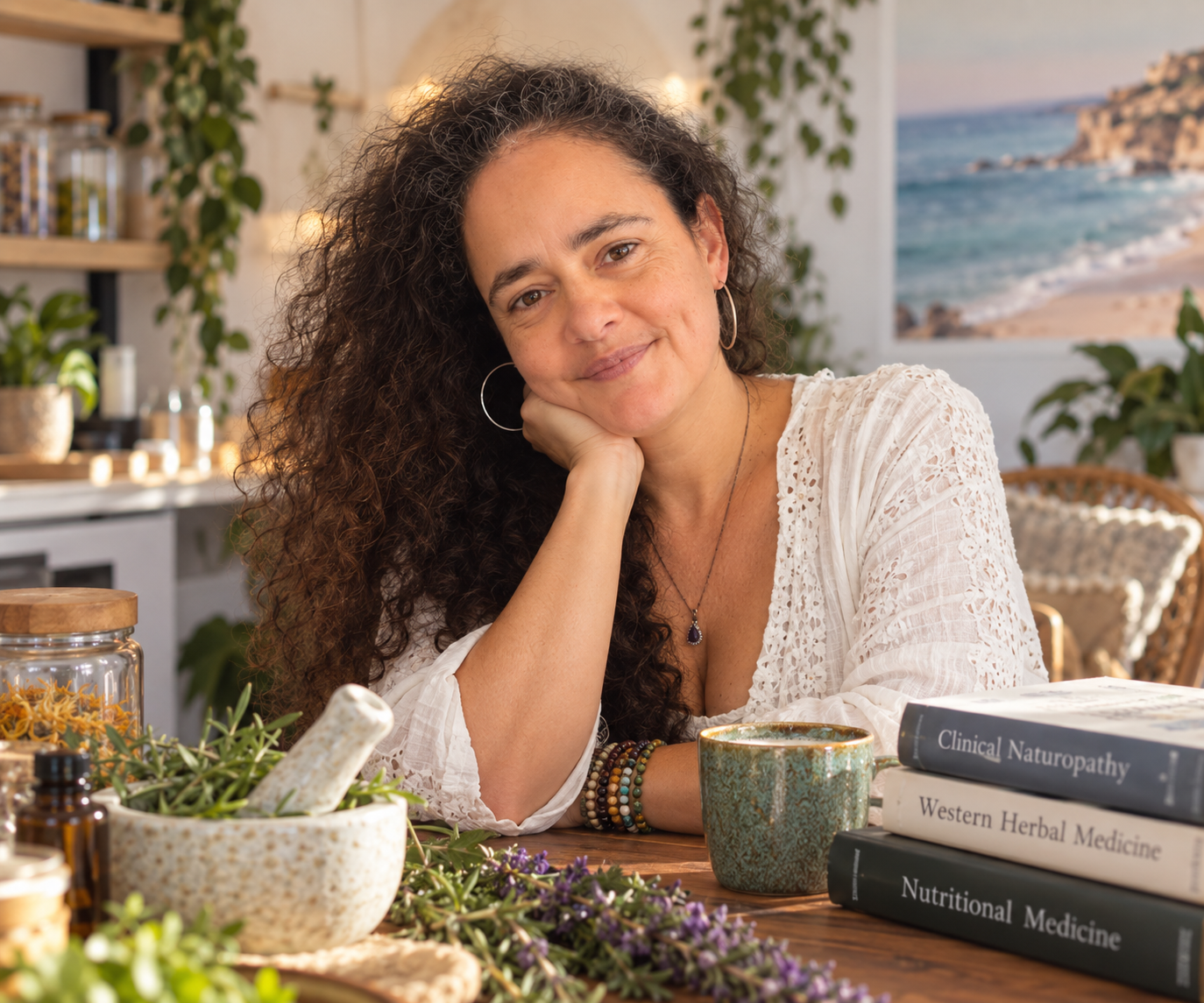
Natalia | Founder of Oceana The Women's Health Project
Naturopath • Nutritionist • Herbalist • Registered Nurse
I founded Oceana The Women's Health Project because I believe women deserve a different experience of healthcare.
Drawing on my background in nursing, natural medicine and community care, I brings together clinical knowledge, a whole-person perspective and a deep understanding of the importance of being heard, informed and supported.
My vision extends beyond the traditional consultation room. I am building Oceana The Women's Health Project to become a place where women can access personalised integrative healthcare, meaningful collaboration between practitioners and ongoing support through the many stages and complexities of their health.
At the heart of that vision is a simple belief: women should never feel they have to navigate their health alone.
Why Women?
Women have been at the centre of my life from the beginning.
I was raised amongst women. I've raised four children of my own. And throughout my personal and professional life, I've watched what women carry.
We work. We raise children. We care for partners, parents and families. We organise, remember, anticipate, support and carry an extraordinary amount of the work that nobody sees.
And very often, we put ourselves last.
We also live in a world where women's experiences of their own bodies have not always been adequately understood, researched, respected or even believed.
I've seen how much trauma women carry, too.
Sometimes it comes from one experience. Sometimes it accumulates through relationships, motherhood, caregiving, loss, violence, chronic stress, expectations and years of simply having to keep going.
My understanding of trauma-informed care isn't purely academic.
Life has taught me how profoundly safety, relationships and prolonged stress can influence physical and emotional health.
It changed the way I understand health.
And it changed the practitioner I wanted to be.
I want women to feel heard. I want them involved in decisions about their bodies and their healthcare. I explain rather than dictate. I respect boundaries. I don't shame. And I don't assume I know a woman's experience simply because I've read her medical history.
Now, as a woman in midlife myself, I understand women's health from another perspective.
There is a difference between learning the physiology of women's health and living through the changing seasons of a woman's life.
And while my professional interests extend across fertility, pregnancy, hormonal health, perimenopause and the many complexities of women's wellbeing, what drives me goes beyond any one condition or stage of life.
Ultimately, I'm not interested in defending conventional medicine over natural medicine, or natural medicine over conventional medicine.
I'm interested in what genuinely contributes to women's health and wellbeing.
I'm interested in the happiness, strength, growth, health and lives of women.
I see what women carry.
I see what women contribute.
And I want my work to give something back to them.
Where It Really Began
Natural medicine was part of my life long before I knew there was a profession called naturopathy.
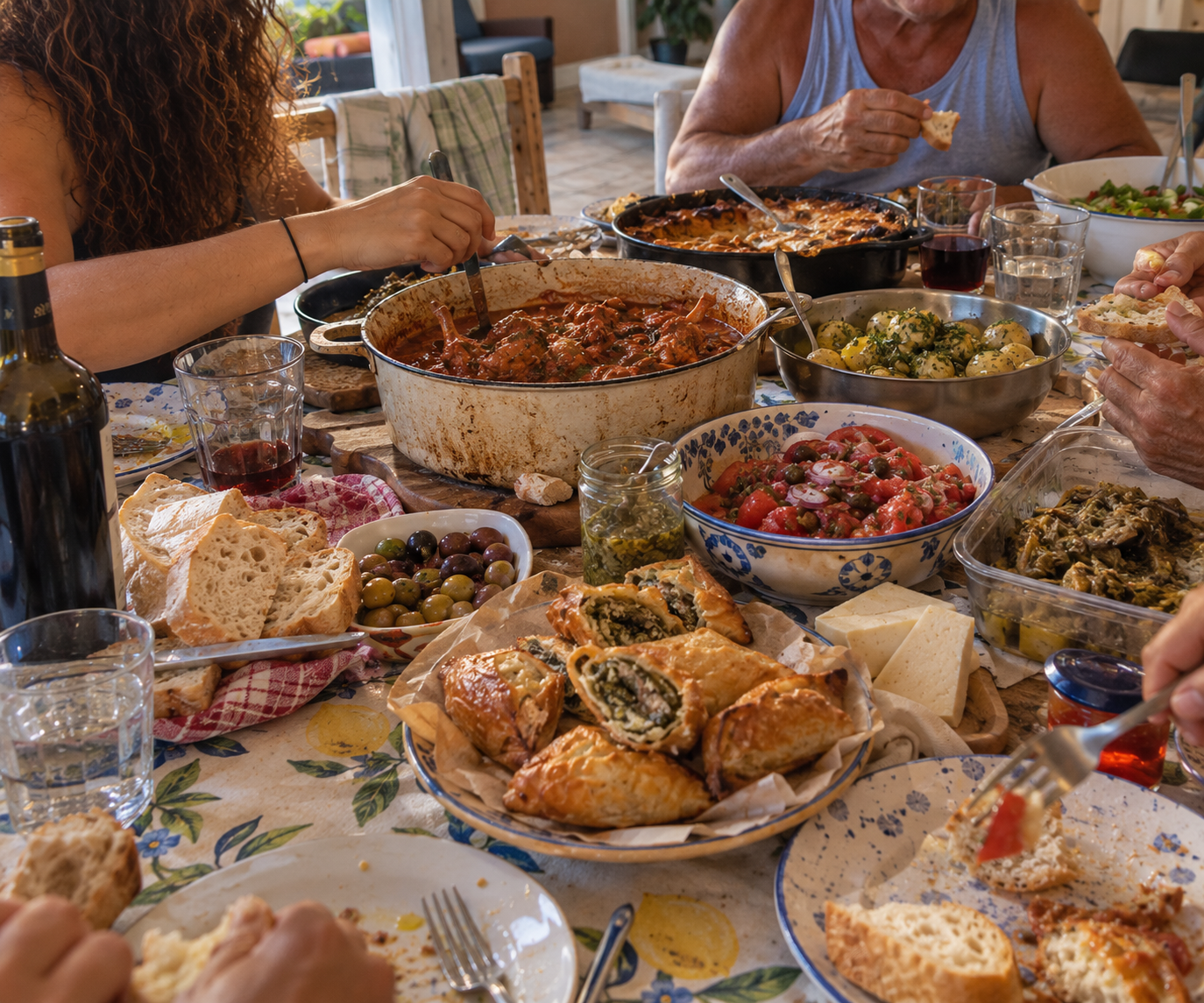
I grew up in a predominantly female Maltese family, where food, family, community and looking after one another were woven into everyday life. My Nannu, my grandfather, was particularly influential in introducing me to herbs and traditional Mediterranean approaches to health.
Fresh fruit and vegetables, herbs, spices and traditional foods weren't simply about nutrition. They were part of a way of living that recognised the connection between what we ate, how we lived and how we felt.
But something else was being shaped during those early years, my understanding of the importance of community and collaboration.
Growing up in a Mediterranean family taught me that caring for someone wasn't necessarily the responsibility of one person. Knowledge was shared, different generations contributed their experiences, and people supported one another.
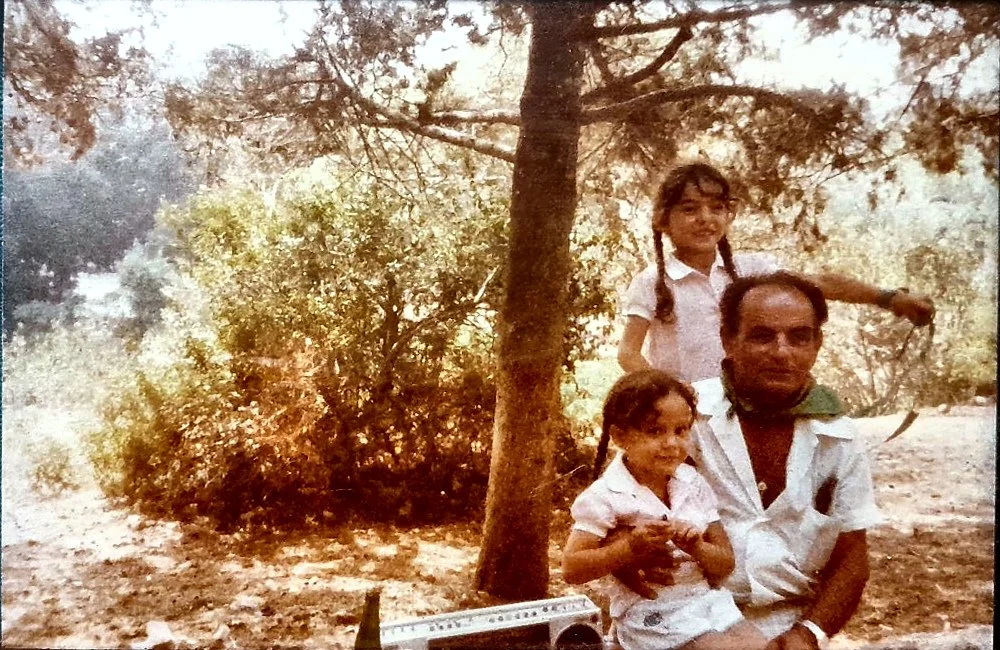
Me, 4 years old, with my Nannu and sister in Malta
From Traditional Wisdom to a Pioneering Vision
As I've grown older, and particularly through my years in nursing, community care and naturopathic medicine, I've come to appreciate how deeply those early experiences influenced my approach to healthcare.
My interest has also expanded beyond the Mediterranean. I'm fascinated by traditional systems of medicine and the ways different cultures have understood health over hundreds and thousands of years, particularly Mediterranean and African traditional medicine, Ayurveda, traditional naturopathic medicine and energy medicine.
I don't claim to practise every system I study or admire. What interests me is the knowledge, history and philosophy within them, and how different perspectives can contribute to a broader understanding of health.
That early appreciation for shared knowledge and collective care is something I now bring into my pioneering vision for Oceana The Women's Health Project.
I believe healthcare can be stronger when practitioners share knowledge, respect one another's expertise and work collaboratively, rather than expecting women to navigate disconnected systems on their own.
In many ways, what I'm working towards isn't simply a new model of healthcare. It's bringing together the value of traditional wisdom, contemporary clinical knowledge and the importance of human connection.
Food matters. Plants matter. Environment matters. Community matters. Emotional and spiritual wellbeing matter. How we live matters.
My professional life took me into nursing and conventional healthcare.
Over more than 25 years, I've worked within and around the healthcare system and alongside nurses, GPs, medical practitioners, specialists and other health professionals.
I've seen what Western medicine can do brilliantly. I've also seen many of its limitations.
There were patients I wanted to sit with longer. Questions I wanted to ask. Connections I could see were worth investigating. There were situations where the immediate medical problem had been addressed, but something still hadn't been answered.
Sometimes I could see where another approach might have something valuable to offer alongside the medical care a patient was receiving.
And so often, there simply wasn't time to explore it.
That wasn't necessarily because the doctor, nurse or specialist didn't care. Healthcare professionals work within a system, and that system doesn't always give them the time they would like to give their patients.
From Nursing to Naturopathic Medicine
“I wasn’t prepared to stop being curious simply because the appointment had ended.”
Coming Back to Natural Medicine
Eventually, that curiosity brought me back to my roots.
The traditional approaches to health I'd grown up around had never really left me. But now, with years of healthcare experience behind me, I began exploring them through a different lens.
I wanted to understand how nutrition, herbal medicine, lifestyle and the broader circumstances of a person's life could contribute to their health, and how these approaches might work alongside conventional medical care.
That curiosity eventually led me to complete a Bachelor of Naturopathy.
In many ways, it felt like coming home to something that had been there from the beginning.
My nursing experience had taught me the importance of clinical assessment, evidence-based practice and recognising when medical intervention is essential. Naturopathic medicine gave me another framework for exploring the interconnected influences on health.
I didn't see these approaches as competing with one another.
I saw an opportunity for them to work together.
And that belief has become central to the vision behind Oceana The Women's Health Project.
Beyond the Clinic
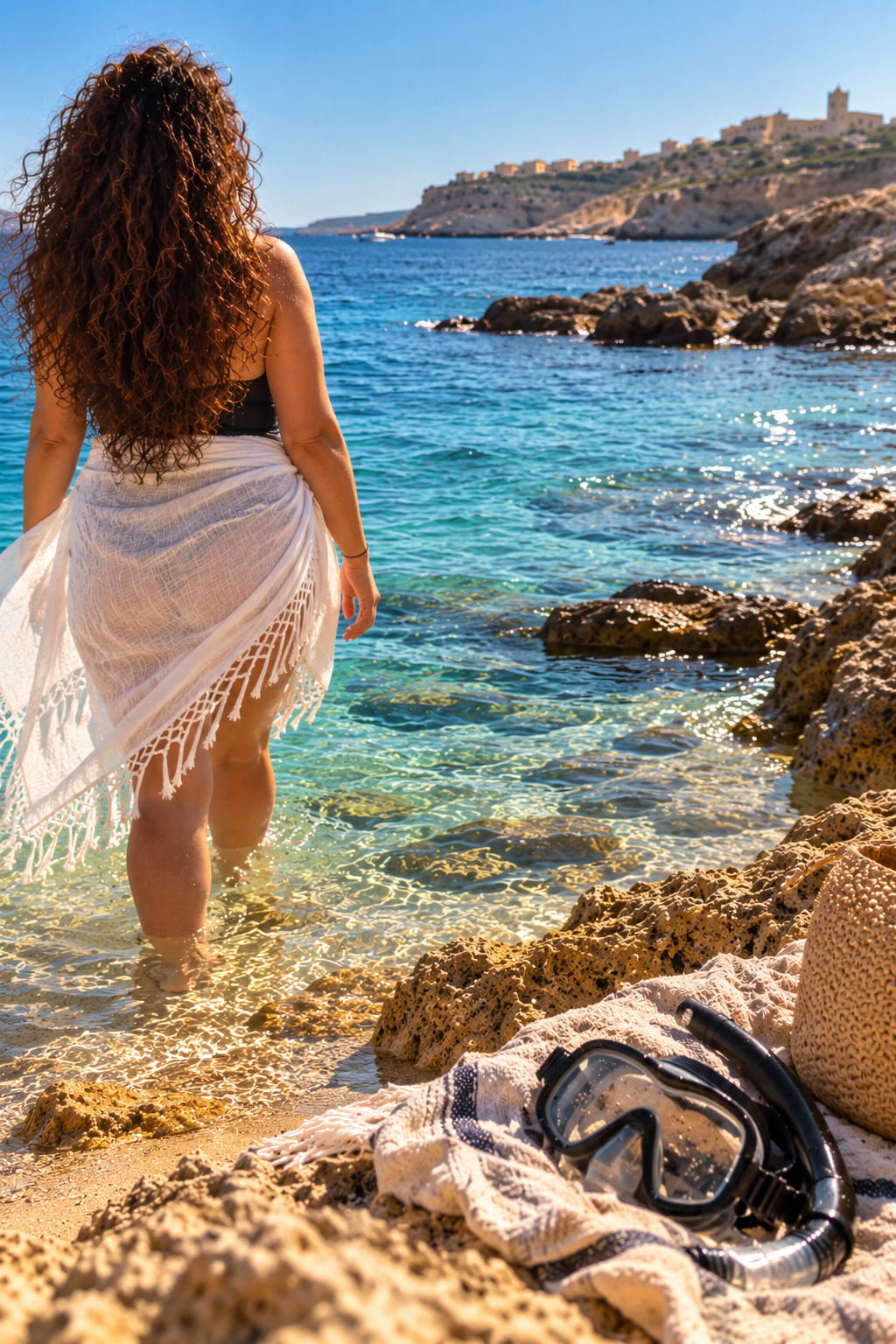
The ocean remains one of the places where I feel most at home, and it certainly doesn't need to be warm. Some of my strongest memories involve freezing cold water!
There's something about being in the sea that brings me completely into the present.
I love swimming and snorkelling, fresh food, herbs and spices, music and dancing, reading, family, friends, nature and the experiences that make life feel full.
Perhaps that's also why I've never been particularly interested in an idea of health that requires someone to organise their entire existence around being healthy.
For me, health isn't about living a perfectly controlled “wellness” life.
It's about having enough health and vitality to actually live your life.