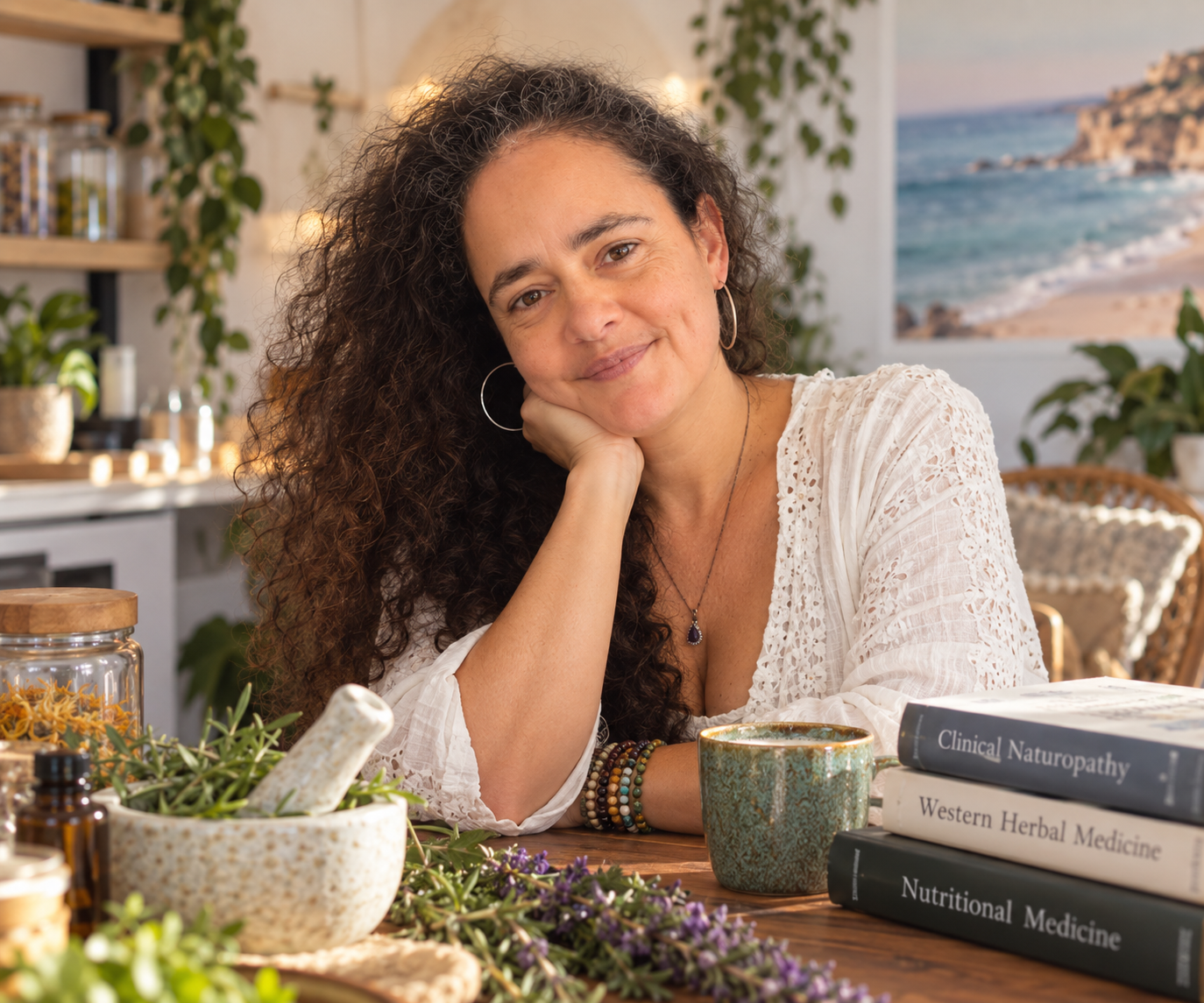
Meet Natalie
Integrative Women’s Health Practitioner | Clinical Naturopath | Nutritionist | Herbalist | Registered Nurse
I believe good healthcare begins with two things that have become surprisingly difficult to find: time to listen and the willingness to keep asking why.
I'm Natalie, founder of The Coastal Naturopath. My main clinic is based in Port Noarlunga, and I also practise in Victor Harbor, Mount Barker and online.
My approach to women's health has been shaped by more than 25 years within and around conventional healthcare, my training as a Registered Nurse, my formal studies in naturopathic medicine, nutrition and Western herbal medicine, and a relationship with natural and traditional medicine that began long before any of those qualifications.
The Coastal Naturopath grew from wanting to practise healthcare differently.
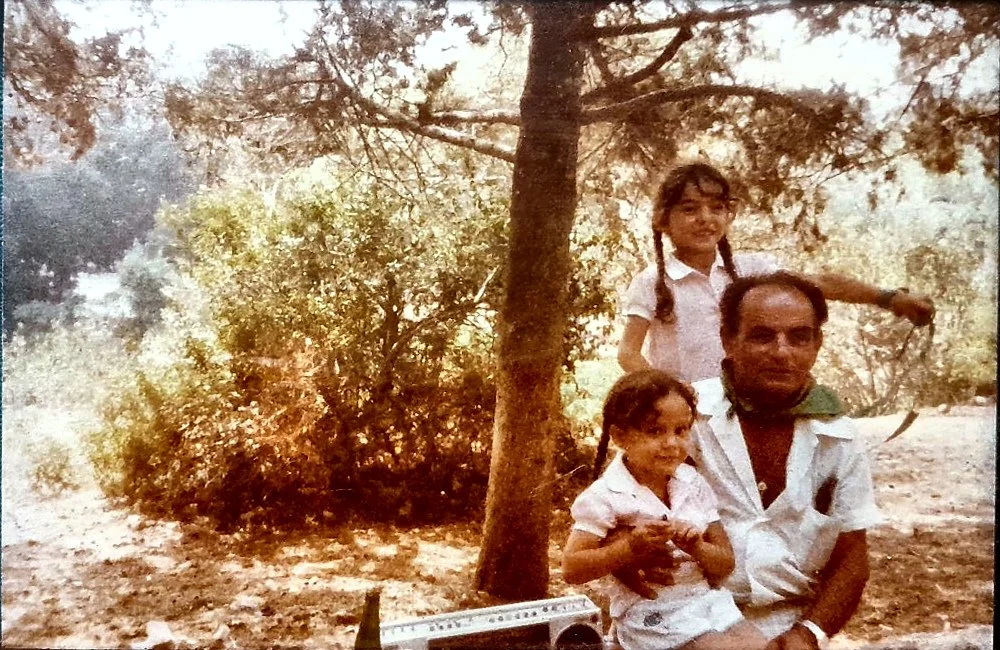
Malta, age 4, with my sister and my Nannu. Where some of this story began.
Where It Really Began
Natural medicine was part of my life long before I knew there was a profession called naturopathy.
I grew up in a predominantly female Maltese family, and my Nannu, my grandfather, was particularly influential in bringing herbs and traditional Mediterranean approaches to health into our family life.
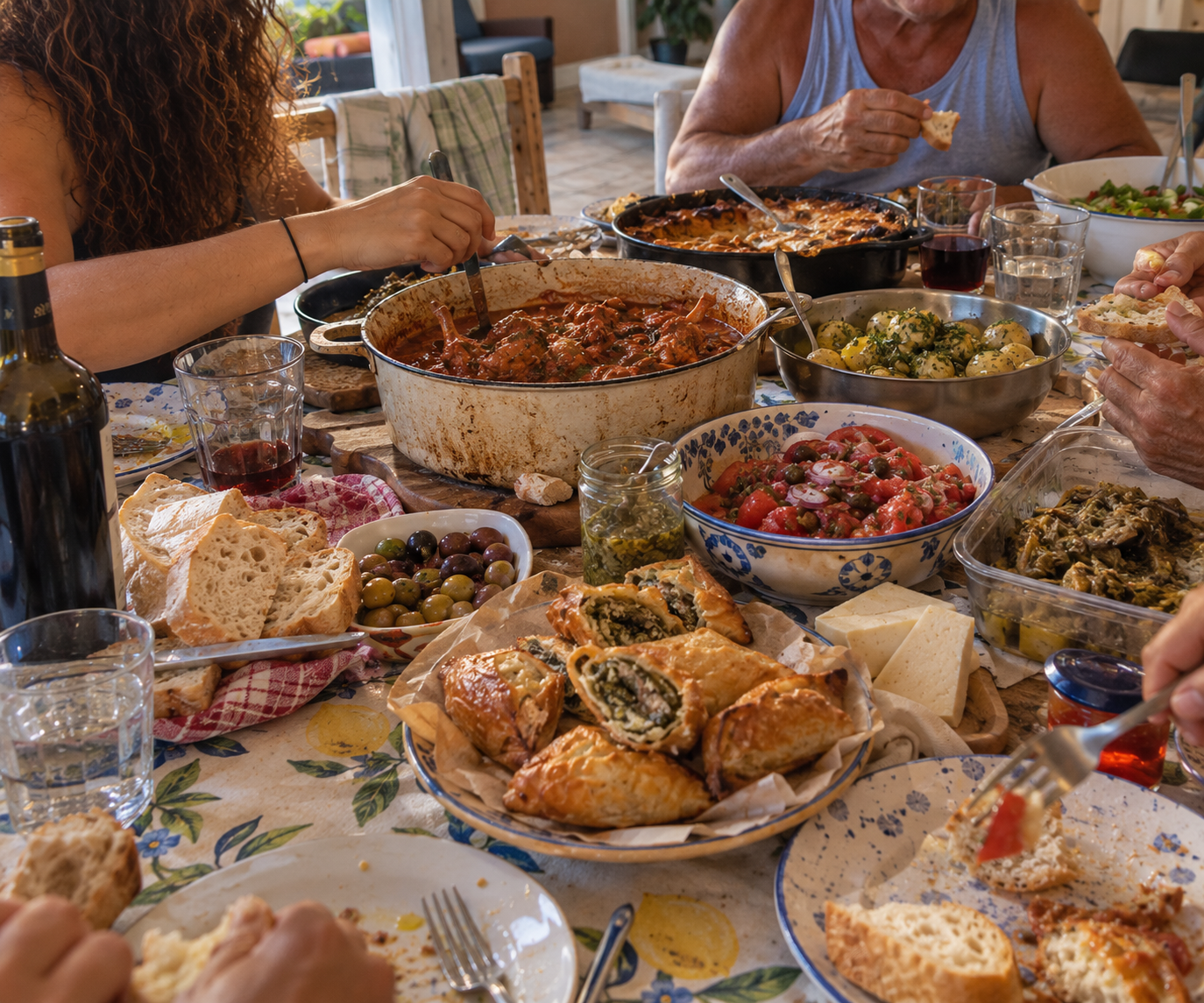
Fresh fruit and vegetables, herbs, spices and traditional foods were everyday things. Food wasn't viewed only in terms of calories or nutrients. There was an understanding that what we ate and how we lived affected how we felt.
As I've grown older and studied health more deeply, I've realised how much of my own philosophy was being shaped during those early years.
My interest has since expanded beyond the Mediterranean. I'm fascinated by traditional systems of medicine and the different ways cultures have understood health for hundreds and thousands of years, particularly Mediterranean and African traditional medicine, Ayurveda, traditional naturopathic medicine and energy medicine.
I don't claim to practise every system I study or admire. What interests me is the knowledge and philosophy within them.
Across very different cultures, we repeatedly find an understanding that health involves more than an isolated symptom. Food matters. Plants matter. Environment matters. Community matters. Emotional and spiritual wellbeing matter.
How we live matters.
From Nursing to Naturopathic Medicine
My professional life took me into nursing and conventional healthcare. Over more than 25 years I've worked within and around the healthcare system and alongside nurses, GPs, medical doctors, specialists and other health professionals. I've seen what Western medicine can do brilliantly. I've also seen many of its limitations. There were patients I wanted to sit with longer. Questions I wanted to ask. Connections I could see were worth investigating. There were situations where the immediate medical problem had been addressed, but something still hadn't been answered.
Sometimes I could see where another approach might have something valuable to offer alongside the medical care a patient was receiving. And so often, there simply wasn't time to explore it. That wasn't necessarily because the doctor, nurse or specialist didn't care. Healthcare professionals work within a system, and that system doesn't always give them the time they would like to give their patients.
“I wasn’t prepared to stop being curious simply because the appointment had ended.”
Coming Back to Natural Medicine
And eventually, that curiosity brought me back to my roots.
I started thinking again about the medicine that had existed long before the healthcare system I was working within.
For hundreds and thousands of years, cultures around the world had developed rich traditions of medicine. They learned about plants, food, the human body, illness and healing through generations of observation, experience and knowledge passed from one generation to the next.
And for me, this wasn't entirely new.
In many ways, it felt like coming home to something that had been there from the beginning.
Mediterranean medicine was already part of my story through my Maltese upbringing and particularly through my Nannu. But the deeper I went, the more interested I became in the ways different cultures had understood health, including traditional naturopathic medicine, African traditional medicine, Ayurveda and energy medicine.
These traditions aren't interchangeable, and I don't claim to practise every system that interests me. What fascinates me is the knowledge within them, and some of the ideas that appear again and again across cultures separated by thousands of kilometres and hundreds, sometimes thousands, of years.
That the body is interconnected. That food and plants matter. That our environment matters. That how we live matters. That emotional wellbeing matters. That vitality matters. And that
Health is more than the absence of a diagnosis.
At the same time, I became fascinated by how much modern medicine itself owes to the natural world. Many medicines have been developed from, or inspired by, compounds originally found in nature.
It made me want to understand more, not less.
I wanted to understand traditional knowledge, but I also wanted to understand the science. The anatomy, physiology and biochemistry. What plants actually contain. How their constituents interact with the body. What the evidence tells us. Where the evidence is limited. What is safe, what isn't, and why.
I didn't want to abandon what nursing had taught me to embrace natural medicine. I wanted to bring those worlds together.
That curiosity eventually brought me back to university to formally study naturopathic medicine.
I Don't Simply Match a Symptom to a Herb
Becoming a naturopath didn't mean leaving my nursing brain at the door.
Quite the opposite.
My years in healthcare taught me to assess, observe, question, investigate and think critically. They taught me to consider risk, recognise when something doesn't fit and know when further medical investigation is warranted.
I bring all of that into my naturopathic practice.
When a woman comes to see me, I'm considering her symptoms, timeline, medical history, pathology, medications, supplements, nutrition, lifestyle, sleep, stress, hormones, possible interactions and contraindications, what has already been investigated and what perhaps still needs to be.
I don't assume something is appropriate simply because it's natural. And after many years observing healthcare from the inside, I'm also comfortable questioning why a particular medical conclusion has been reached.
Sometimes the most appropriate recommendation isn't a herb or supplement at all. It may be pathology, returning to her GP, further investigation, a specialist referral or another medical opinion.
To me, critical thinking is part of natural medicine.
Riding the waves of health.
The Coastal Naturopath is more than a reference to where I work.
The coast represents where I came from, what first connected me with natural medicine and the philosophy I bring to women's health today.
Why herbal medicine still fascinates me
A medicinal plant can contain numerous naturally occurring constituents, and those constituents can interact in complex ways within the plant and within the human body.
Modern pharmaceutical development often takes a different approach by identifying, isolating, modifying or synthesising particular compounds so they can be administered in known and reproducible doses.
Both approaches have complexity, benefits and risks.
I don't believe something deserves unquestioning acceptance because it comes from nature, a pharmaceutical company, a traditional system or a research paper.
It makes me want to understand the difference
What does the evidence actually tell us? What are its limitations? What are the risks and benefits? How might it interact with everything else this woman is taking? And is it genuinely the best option for her?
That’s where my nursing brain and my naturopathic brain meet
The Body Is More Than a Collection of Parts
One of the foundations of traditional naturopathic medicine that resonates strongly with me is the concept of vital force and the body's inherent capacity for healing, repair and restoration when it has the conditions and resources it needs. It's also one of the reasons I'm so interested in Mediterranean and African traditional medicine, Ayurveda and energy medicine. Different traditions have their own language, beliefs and practices, but I'm fascinated by the recurring recognition that human health involves interconnected physical, emotional, environmental, social and, within some traditions, energetic or spiritual dimensions.
Modern medicine often needs to divide the body into specialties. That can be invaluable.
But the woman herself doesn't divide into departments.
Her gut doesn't exist separately from her nervous system. Her hormones don't exist separately from her sleep. Her nutrition doesn't exist separately from her energy. And what's happening in her life doesn't suddenly stop affecting her physiology when she walks into a medical appointment.
Stress is a perfect example. Women are still too often told, “It's probably stress,” as though that ends the investigation. For me, that's where another question begins.
What is that stress actually doing to her body?
I don't want to use stress to dismiss a woman's symptoms.
I want to understand how it might be contributing to them.
Stress may not fit neatly into a specimen jar, but that doesn't make its physiological effects any less real.
Why Women?
Women have been at the centre of my life from the beginning. I was raised amongst women. I've raised four children of my own. And throughout my personal and professional life I've watched what women carry. We work. We raise children. We care for partners, parents and families. We organise, remember, anticipate, support and carry an extraordinary amount of the work that nobody sees. And very often, we put ourselves last. We also live in a world that has not always understood, studied, respected or even believed women's experiences of their own bodies.
I've seen how much trauma women carry too. Sometimes it comes from one experience. Sometimes it accumulates through relationships, motherhood, caregiving, loss, violence, chronic stress, expectations and years of simply having to keep going. My understanding of trauma informed care isn't purely academic. Life has taught me how profoundly safety, relationships and prolonged stress can affect physical and emotional health. It changed the way I understand health. And it changed the practitioner I wanted to be.
I want women to feel heard. I want them involved in decisions about their bodies. I explain rather than dictate. I respect boundaries. I don't shame. And I don't assume I know a woman's experience simply because I've read her medical history. Now, as a woman in midlife myself, I also understand women's health from another perspective. There is a difference between learning the physiology of women's health and living through the changing seasons of a woman's life. Ultimately, what interests me isn't defending conventional medicine or natural medicine.
I'm interested in the happiness, strength, growth, health and lives of women.
I see what women carry.
I see what women contribute.
And I want my work to give something back to them.
Why The Coastal Naturopath?
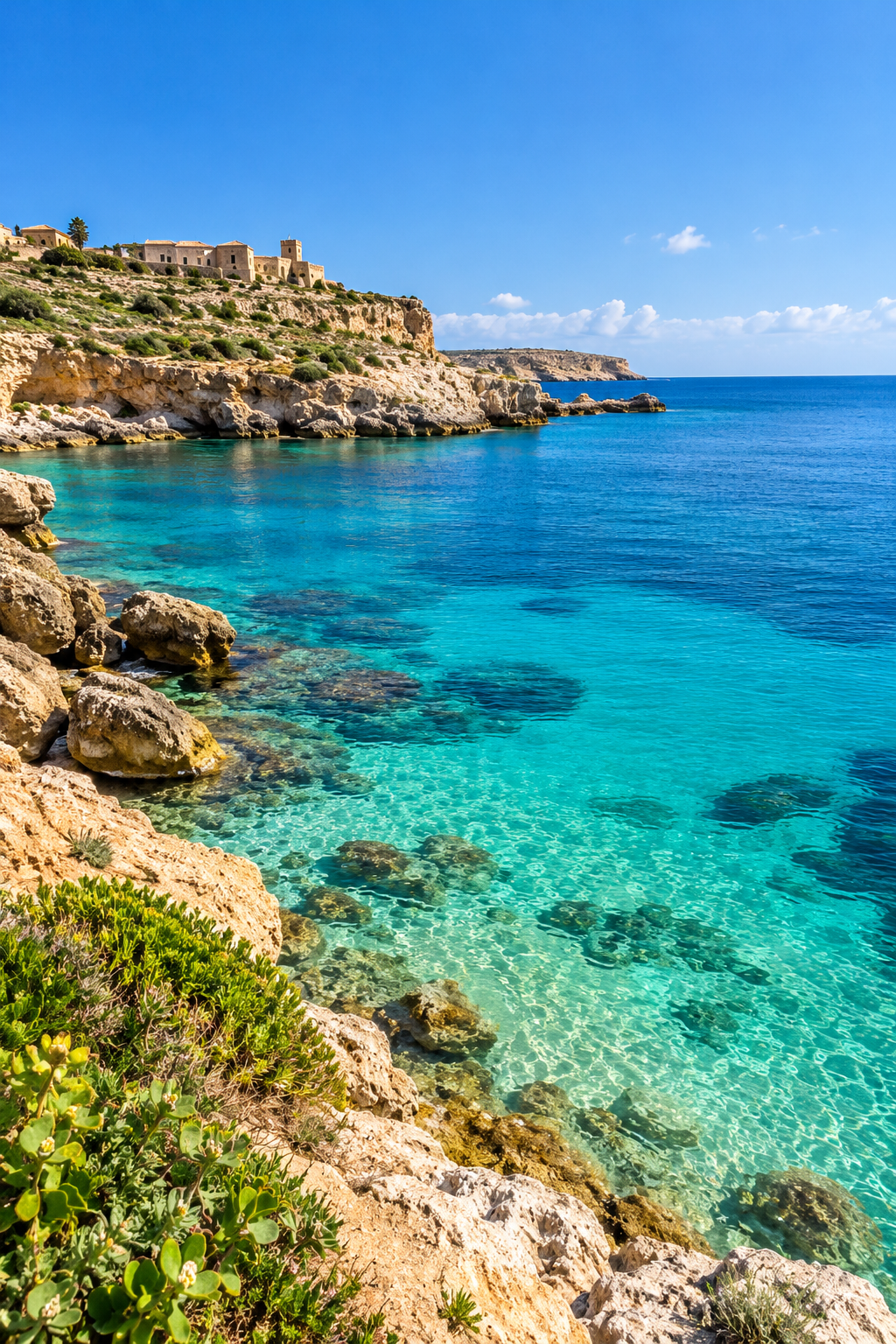
The word Coastal wasn't chosen simply because my main clinic is near the coast.
The ocean has been woven through my life for as long as I can remember.
It pays homage to my Maltese heritage and the Mediterranean environment that first connected me with herbs, food and natural approaches to health.
But it also represents the way I see health itself.
My purpose is to help women have more health, strength, confidence and understanding of their bodies, so they have more capacity for the people and things they love and, importantly, more capacity for themselves.
When a woman comes to see me, I don't just want to know how we can silence her symptom.
I want to know why it's there.
For me, health isn't about living a perfectly controlled “wellness” life.
It's about having enough health and vitality to actually live your life.
Health isn't a straight line.
Sometimes the water is calm. Sometimes we're riding the waves. Sometimes a wave comes from nowhere and knocks us completely off our feet.
Our hormones change. Our bodies change. Life changes. We experience illness, stress, motherhood, grief, relationships, ageing, growth and periods when we feel incredibly strong. Good healthcare isn't about promising permanently calm water. It's about understanding what's happening, supporting the body and helping a woman develop the knowledge and resources to navigate the changing conditions.
What Integrative Healthcare Means to Me
After more than 25 years within and around conventional healthcare, I understand what it can do brilliantly and I understand many of its limitations. Natural medicine gives me something I often wanted more of within conventional healthcare.
Time.
Time to investigate. Time to listen. Time to question. Time to make connections. Time to look beyond simply silencing a symptom.
I value scientific enquiry, evidence and critical thinking. I also believe evidence should itself be critically examined rather than automatically accepted because it comes from an established profession, institution or industry.
I respect traditional knowledge and the generations of observation behind it. I believe in the body's inherent capacity for healing and repair when we identify and provide the conditions it needs. I also recognise there are times when modern medicine, surgery, emergency care and specialist intervention are invaluable. But none of those things are the purpose of my work.
Women Are
Beyond the Clinic
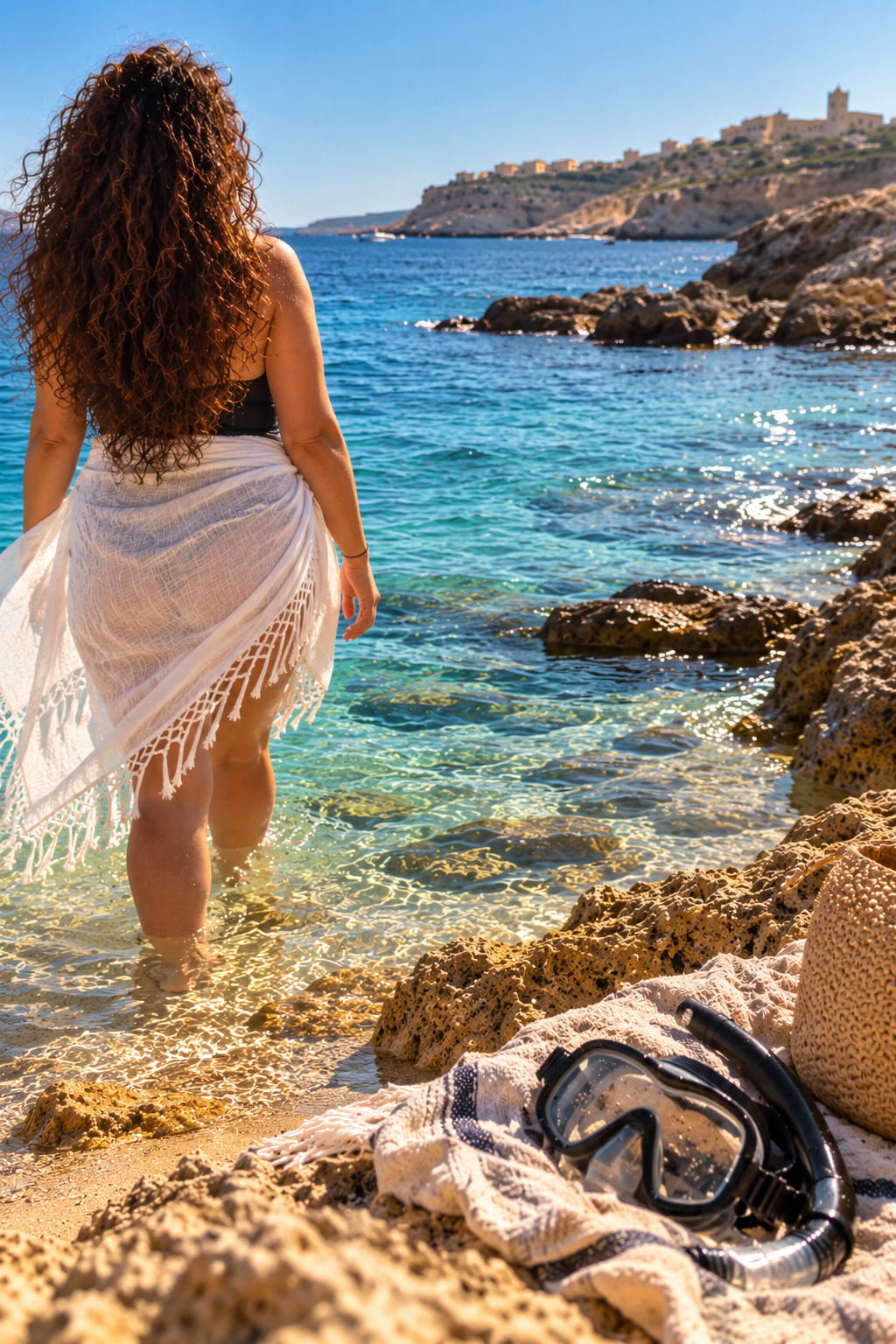
The ocean remains one of the places where I feel most at home, and it certainly doesn't need to be warm. Some of my strongest memories of the ocean involve freezing cold water haha. There is something about being in the sea that brings me completely into the present.
I love swimming and snorkelling, fresh food, herbs and spices, music and dancing, reading, family, friends, nature and the experiences that make life feel full.
Perhaps that's also why I've never been particularly interested in an idea of health that requires someone to organise their entire existence around being healthy.
Let's Talk About Your Health
Whether you're navigating hormonal changes, persistent fatigue, stress, poor sleep or health concerns that seem to overlap, you deserve to feel heard and understood.
At The Coastal Naturopath, we take the time to look beyond individual symptoms, explore what may be contributing to your concerns and develop a personalised approach to supporting your health.
Ready to take the next step?